
Ibadism is one of the oldest branches of Islam, distinct from the main Sunni and Shia sects. It represents a unique tradition that has influenced the identity of the Sultanate of Oman, where the majority of the population practices this school of thought. Its influence manifests not only in the religious sphere but also in the social fabric and in the political and cultural model of the country.
From a theological standpoint, Ibadism is based on a moderate and peaceful interpretation of the Quran and the teachings of the Prophet Muhammad. Ibadis believe in the importance of justice and equity and promote an interpretation of Islam that distances itself from extremism.
One of its distinguishing characteristics is the lively discussion and debate within the community regarding issues of interpretation and practice. This approach leads to a more inclusive and tolerant religiosity. Ibadis prefer to avoid sectarian conflict and advocate for cooperation with other Islamic communities, contributing to an atmosphere of social peace.
In the year 750, the Ibadí state was founded in Oman, representing a significant resurgence of this current of Islam following the establishment of its first state in Hadhramaut. Despite hopes for its continuation, this new state faced significant challenges and was ultimately conquered by the emerging Abbasid Caliphate in 752. However, the persistence of the Ibadis was evident in 793, when they managed to re-establish a state in Oman that lasted a century. This period was fundamental for the development of their identity and cohesion as a religious community.
The Abbasid reconquest in 893 marked a turning point in Ibadí history, but the influence of the Abbasids in the region was more symbolic than effective. Despite external pressure, the Ibadí imams maintained a considerable level of power and autonomy, adapting to new circumstances without losing their essence. They developed a leadership system centered on the election of the imam by the community, which distinguished the Ibadí current from other interpretations of Islam, such as Sunni and Shia.
Over the centuries, the Ibadí imamate was reestablished, demonstrating the resilience of their community. Today, Ibadis make up the majority of the population in Oman, and their influence is notable not only in the religious sphere but also in the politics and culture of the country. The royal family of Oman, in fact, identifies as Ibadí, underscoring the continuity of this tradition over the centuries.
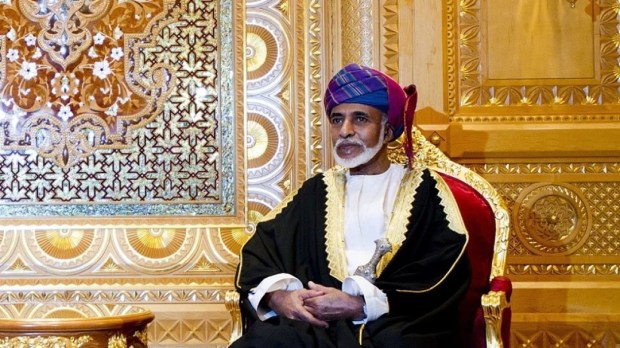
Thus, Ibadism is the identity axis of the Omanis and is intertwined with their politics, royal family, and cultural preservation and promotion.
Social Impact
In the social context, Ibadism promotes values that are fundamental to community cohesion. The community, rather than the individual, is the center of Ibadí life; mutual support, social justice, and the pursuit of knowledge are emphasized. This framework provides a solid foundation for the construction of an active and engaged civil society.
Education occupies a central place in Ibadí life, and the preservation of culture and tradition is transmitted through generations. This not only strengthens community bonds but also promotes an environment where women and youth can actively participate in society. The involvement of women in education and public life reflects the balanced approach that Ibadism has regarding gender.
Culturally, Ibadism has shaped an Omani national identity that is manifested in music, literature, and oral traditions. This cultural richness is a testament to how faith can intertwine with the identity and heritage of a people.
Politically, Ibadism has been a pillar in forming the governance structure of Oman. The sultanate is known for its political system that combines elements of monarchy and community participation. Although Oman is an absolute monarchy, the sultan is seen not only as a political leader but also as a spiritual guide. This duality reflects the Ibadí character, emphasizing the ruler’s responsibility toward their people.
Additionally, Oman’s Consultative Council allows for some representation of the population, contributing to a more participatory and considerate government. This model has enabled Oman to maintain remarkable stability in the region while avoiding the sectarian polarization that has affected other Arab countries.
Ibadism in Oman is not just a matter of beliefs; it is a cultural and social system that has facilitated the development of a cohesive and peaceful society. Its emphasis on justice, education, and community has contributed to the stability and growth of the country, positioning it as an example of democratic and cultural development in the Arab world. The interaction between religion and culture in Oman highlights the importance of an Islamic practice that respects diversity and promotes a path toward peace and cooperation in social and political life.
Sources
«The Ibadis: A Historical Overview» – This academic article analyzes the history and evolution of Ibadism, exploring its theology and its role in Omani society.
Source: Radtke, Bernd. «Islamic Theology: Traditional Standing and Contemporary Issues.»
«Oman: Political Culture and the Ibadis» – This book examines how Ibadism has influenced the political system of Oman, analyzing the interaction between religion and politics in the sultanate.
Source: Ezzat, A. R. «Oman: Politics and Society in the Modern Arab World.»
«The Role of Education in Ibadism» – This study investigates the crucial role of education in the Ibadí community and how this education fosters values of social cohesion and women’s participation.
Source: Al-Shahabi, H. A. «Ibadism: Religion and Resistance in Oman.»
 OTRALECTURA