By March 2026, the confrontation between the United States, Israel, and Iran had moved from a phase of “managed confrontation” - characterized by sanctions, strikes on proxy forces, covert operations, and occasional episodes of direct exchanges of fire - into the format of an open regional war. On February 28, 2026, the United States and … Sigue leyendo Conflict Between the United States, Israel, and Iran: Threats of Further Escalation and the Involvement of New Participants
Etiqueta: Iran
The Sinjar Alliance, the Kurdish-Yazidi structure of Iraq
One question we need to ask ourselves is: Will the dissolution of the PKK bring the HPŞ and the other groups of the Sinjar Alliance closer together? Will a unified and cohesive bloc of Kurds and Yazidis in Iraq be created?
The axis of resistance in Jordan
Axis of Resistance, the militia strstegy of Iran start in 2024 on Jordan.
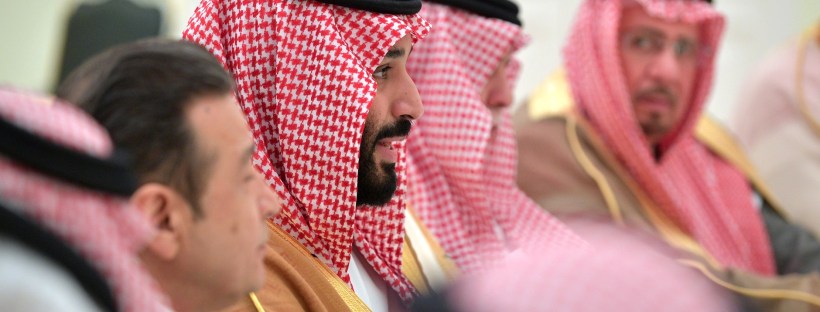
Saudi Position Regarding the Closure of Hormuz by Iran
The possible closure of the Strait of Hormuz by Iran could disrupt 20% of global oil, raising prices and causing worldwide economic instability. Countries like Saudi Arabia have alternative plans, but the situation would increase regional tensions and impact the global economy, highlighting the vulnerability of the global energy system.
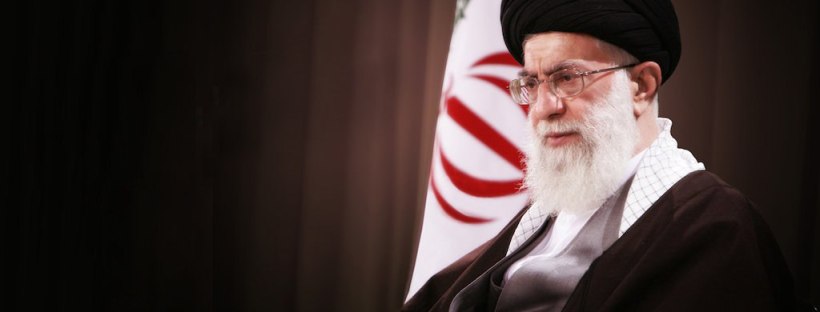
Khamenei face aux attaques à Téhéran : La fin de l’axe de la résistance?
L'Iran et ses alliés subissent des pertes après des attaques, avec la mort de leurs dirigeants clés. Téhéran tente une guerre d'usure tout en préservant ses intérêts nucléaires. La Russie et la Chine restent ambiguës, tandis que l’Iran pourrait soit renforcer sa posture, soit faire des concessions pour éviter la destruction totale.
Khamenei and the attacks in Tehran: The end of the Resistance Axis?
The text discusses Iran's strategic responses following attacks and regional setbacks, highlighting the weakening of its military influence, the impact of Western sanctions, and the threat of nuclear escalation. It emphasizes the influence of Iran’s leadership, particularly Khamenei, and the uncertain roles of Russia and China, with Iran facing critical strategic choices.
Najeeb al-ashmory: «The Western presence in our region has never been in the interest of our peoples»
Ansar Allah, a Yemen movement since 1994, opposes foreign interference and seeks unity and justice. Supported by Iran, it faces regional challenges, promotes maritime resistance, operations against Israel, and advocates for an inclusive political project. Its goals are independence, sovereignty, and safeguarding Yemen's Islamic identity from external influences.
Zina Al-Mizori: «Los partidos kurdos deben unirse en torno a su causa principal: los derechos y aspiraciones del pueblo kurdo»
Zina Al-Mizori, con base en Duhok, Irak, es abogada y defensora de los derechos kurdos, centrada en la estabilidad política, la diversificación económica, la diplomacia regional y la unidad kurda. Ella destaca la importancia del respeto mutuo, el diálogo y la cooperación con vecinos como Turquía, Irán y Rojava para promover la paz, la seguridad y el desarrollo regional.
Zina Al-Mizori: «Kurdish parties must unite around their core cause — the rights and aspirations of the Kurdish people»
Zina Al-Mizori, based in Duhok, Iraq, is a lawyer and advocate for Kurdish rights, focusing on political stability, economic diversification, regional diplomacy, and Kurdish unity. She highlights the importance of mutual respect, dialogue, and cooperation with neighbors like Turkey, Iran, and Rojava to promote regional peace, security, and development.
Iran Zamin (Part 3): The Anti-Western Bloc and Hispanic – American Resistance
Iran and Venezuela maintain strong relations across commercial, energy, cultural, and security sectors, providing mutual support against sanctions. Their cooperation peaked during Chávez and Ahmadinejad’s leadership, resulting in numerous bilateral agreements. Iran also fosters ties with other Latin American countries, enhancing its influence while advocating for a broad anti-imperialist ideological current.