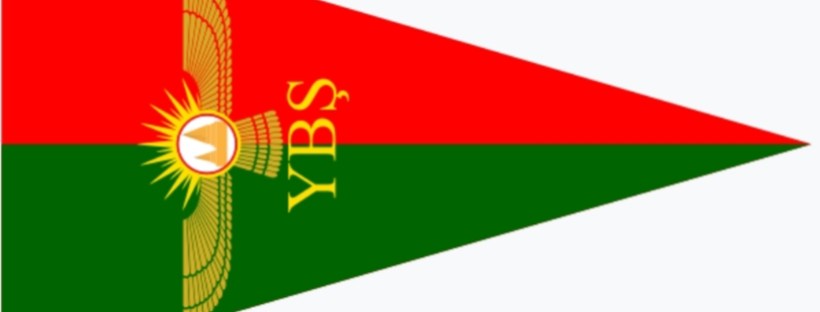
At the heart of a territory marked by history, tragedy, and resilience, emerges the Sinjar Alliance, a name that resonates with echoes of hope and determination amidst adversity. This coalition, born from the crucible of conflict and the urgent need to protect the Yazidi community, stands as a beacon in a fragmented landscape where the lines between survival and despair often blur.
The Sinjar Alliance, known in Kurdish as «Fermandariya Hevbeş a Şengalê» (Joint Command of Sinjar), represents a union of forces—an amalgamation of Yazidi militias determined to safeguard their people from extremism and oppression. Originally composed of three main groups—Sinjar Resistance Units (YBŞ), Êzîdxan Women’s Units (YJÊ), and the Êzîdxan Protection Force (HPŞ)—the alliance has evolved over time, marked by internal tensions and strategic realignments.
The context in which the Sinjar Alliance emerged is crucial to understanding its significance and its reasons for being. The year 2014 marked a turning point in the region’s history when the self-proclaimed ISIS (Islamic State) unleashed a wave of terror on the Yazidi community, perpetrating massacres, kidnappings, and sexual slavery on an unimaginable scale. The Sinjar massacre, in August of that year, left an indelible scar on the collective memory of the Yazidi people and served as a catalyst for the formation of the alliance.
The YBŞ, composed of Yazidi men and women, has become a symbol of resistance and self-affirmation. With roots dating back to 2007, these units have played a crucial role in defending Sinjar and its surroundings, often with the support of the Kurdistan Workers’ Party (PKK) and its allies. The YJÊ, made up exclusively of Yazidi women—many survivors of ISIS brutality—embody the determination and strength of a people who refuse to be silenced.
However, the Sinjar Alliance has not been without internal challenges. The Êzîdxan Protection Force (HPŞ), which initially provided the largest contingent of fighters to the alliance, withdrew in 2017 due to ideological differences with the YBŞ, who are backed by the PKK, disbanded in 2025. This divergence reflects the political complexities and regional tensions influencing the alliance’s dynamics.
Despite these challenges, the Sinjar Alliance has persevered in its primary goal: establishing a democratic self-governing system in the Sinjar region, based on the principles of democratic confederalism. This vision of autonomy and self-determination directly challenges the centralized control of the Iraqi government and the ambitions of other regional forces.
The Sinjar Alliance has been the subject of controversy and criticism, especially due to its close relationship with the PKK—an organization considered terrorist by Turkey and other countries. This affiliation has generated tensions with the Turkish government, which has carried out airstrikes against targets in the Sinjar region, citing the presence of PKK elements.
The legacy of leaders such as Sheikh Khairy Khedr and Zaki Shingali, who led the YBŞ and lost their lives fighting ISIS and other threats, continues to inspire the fighters of the Sinjar Alliance. Their sacrifice and commitment to defending their people have helped forge a collective identity rooted in resistance and hope.
In a regional context marked by instability and power struggles, the Sinjar Alliance faces an uncertain future. However, their determination to protect the Yazidi community and promote a democratic system of self-governance remains a beacon of hope in a fragmented landscape.
The Sinjar Alliance, a coalition of Yazidi militias, emerged after the 2014 massacre by ISIS. Initially composed of YBŞ, YJÊ, and HPŞ, it seeks to protect the Yazidi community and establish a democratic self-governance in the Sinjar region. Despite internal challenges and controversies, the alliance persists in its goal of autonomy and self-determination.
 OTRALECTURA