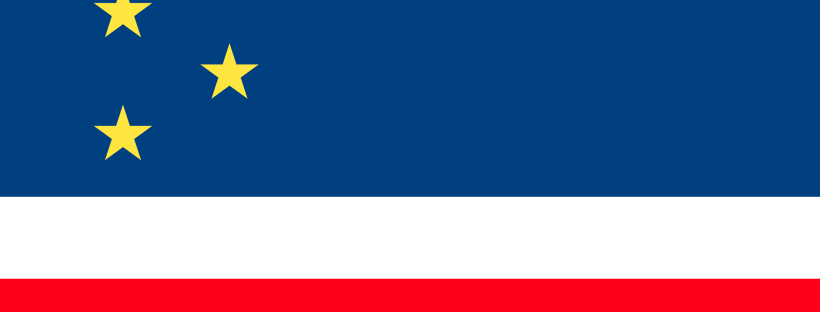
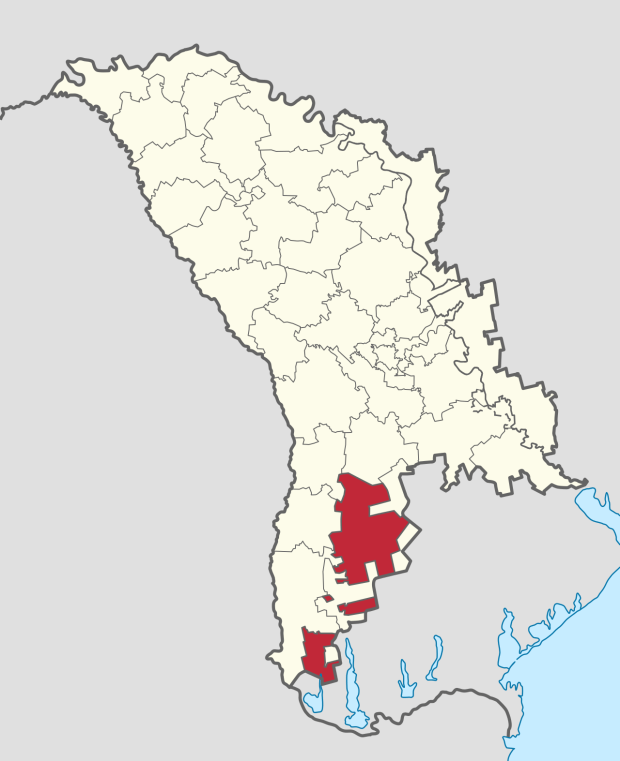
Enclosed within the borders of Moldova lies Gagauzia, an autonomous region with a unique identity and a complex history. Officially known as the Autonomous Territorial Unit of Gagauzia, this region is more than just a geographic location; it is a cultural enclave with its own language, traditions, and political aspirations.
The origins of the Gagauz people are shrouded in mystery, with theories tracing them to various Turkic groups, including the Seljuk Turks, Pechenegs, and Cumans. One theory suggests that a clan of Oghuz Turks migrated to the Balkans during tribal conflicts, converted to Orthodox Christianity, and became known as Gagauz Turks. Another proposes that they are descendants of Turkized Bulgarians linguistically.
From Empire to Autonomy
Gagauzia’s history is marked by shifts in power and identity. In 1812, Bessarabia, including the region inhabited by the Gagauz, became part of the Russian Empire. The Gagauz, along with Bulgarian settlers, established themselves in the area. After a brief period of independence in 1906, the region was governed by the Russian Empire, Romania, the Soviet Union, and finally Moldova.
As the Soviet Union was disintegrating, Gagauz nationalism emerged. In 1990, Comrat, the capital of Gagauzia, declared itself an autonomous republic—a move later annulled by the Moldovan government. However, in 1994, Moldova’s Parliament granted Gagauzia the right to “external self-determination” through the adoption of the “Law on the Special Legal Status of Gagauzia.”
A Divided Region?
In 2014, amid the annexation of Crimea by Russia and Moldova’s rapprochement with the European Union, Gagauzia held a referendum. The results showed overwhelming support for strengthening relations with Russia and other members of the Commonwealth of Independent States (CIS), while rejecting greater integration with the EU.
Gagauzia has three official languages: Gagauz, Romanian, and Russian. The Gagauz language, a Turkic tongue closely related to Turkish, is spoken by the majority of the population. Russian is widely used as a lingua franca, while Romanian has gained importance since the collapse of the Soviet Union.
Economy and Infrastructure
Agriculture dominates Gagauzia’s economy, accounting for 70% of the region’s GDP. The region is known for its fertile land, with cultivated areas dedicated to crops, orchards, and vineyards. The wine industry is particularly significant, contributing over 40% of the region’s GDP.
Political Landscape
Gagauzia’s autonomy is guaranteed by the Moldovan Constitution and regulated by the 1994 Law on the Autonomy of Gagauzia. The People’s Assembly has the authority to legislate on various matters, such as education, culture, local development, and fiscal issues.
Foreign Relations
Gagauzia maintains close ties with Turkey, due to linguistic and cultural proximity. Turkey has participated in several aid projects, including the improvement of schools, hospitals, and infrastructure.
A Unique Enclave
Gagauzia, with its unique blend of cultures, languages, and political aspirations, stands as a fascinating and often overlooked region in Europe. As it navigates its relationship with Moldova and the wider world, Gagauzia continues to affirm its distinct identity and shape its own destiny.
 OTRALECTURA