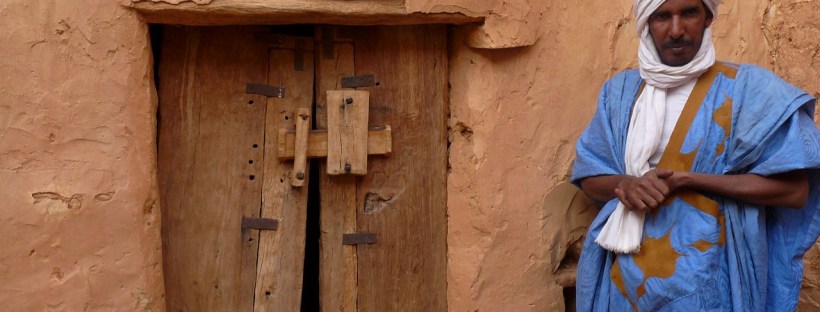
Mauritania, strategically located in West Africa, is a vast country covering an area of 1,030,700 km². Despite its large size, its population is relatively low, with 5,022,441 inhabitants, resulting in a population density of just 5 inhabitants per km². This factor, along with its geopolitical position, presents unique opportunities and potential across various economic sectors.
A Conducive Environment for Investment
Although Mauritania ranks 152nd in terms of GDP volume, its natural resources and current government policies create an increasingly favorable environment for foreign investment. The capital, Nouakchott, is not only the administrative center but also a hub of commercial opportunities and international cooperation.
Mauritania’s economy faces the challenge of a public debt of 4,672 million euros, representing 47.45% of GDP. However, this figure should be viewed in the context of an emerging economy with considerable growth potential.
Currency Fluctuations: A Dynamic Context
The national currency, the Ouguiya, has experienced significant fluctuations, as shown in the foreign exchange activity chart over the past decade. These variations reflect a dynamic environment that can offer unique opportunities for investors willing to take calculated risks.
A strategic focus on selected sectors, especially those that leverage these currency movements, can facilitate the establishment of profitable businesses that benefit from cost advantages and emerging trade opportunities.
Growth in the Primary Sector
Mauritania possesses vast mineral reserves, including iron and gold, which provide a fundamental backbone for economic development. Additionally, the strengthening of the fishing sector offers significant potential, given the privileged access to the Atlantic Ocean.
Sustainability initiatives and modernization of the fishing industry not only increase efficiency but also reinforce Mauritania’s position as a leading supplier in the international market.
Infrastructure and Urban Development
The need for modern infrastructure opens numerous opportunities for companies involved in construction and urban development. Modernizing roads, bridges, and urban services is crucial for residents’ welfare and also improves conditions for trade and investment.
Fostering Innovation and Technology
Another promising sector is technology and innovation. Investors and tech entrepreneurs have the chance to introduce solutions that can improve efficiency across various industries, from agriculture to communications. By focusing on technological education and supporting innovative startups, Mauritania can position itself as a regional leader in technology.
Economic Outlook and Future Policies
Mauritania’s per capita GDP of 1,960 euros suggests a market with significant potential for expansion and development. Despite challenges such as the cost of living and the Human Development Index (HDI), government measures are beginning to focus on education, healthcare, and social inclusion policies that will improve living standards and the business environment.
Reforming and streamlining regulations, along with increasing transparency in business processes, are part of Mauritania’s strategy to improve its position in the Doing Business index, currently ranked 152nd out of 190.
Conclusion: A Echo of Hope and Possibility
Mauritania, with its challenges, presents a unique opportunity for astute and visionary investors. Its development in key sectors promises not only internal economic growth but also positions the country as an important player on the African and international stages.
Investing in Mauritania offers not only the possibility of financial returns but also contributes to the country’s socioeconomic development. With the right supportive framework and strategies, entrepreneurs and public sector leaders can work together to transform Mauritania’s natural wealth and opportunities into a lasting and positive economic success story.
 OTRALECTURA