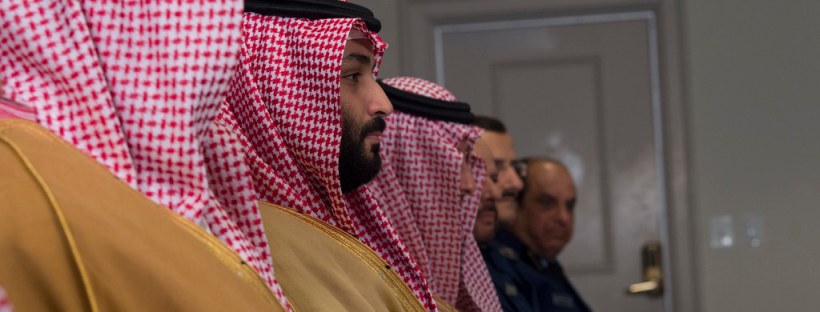
Saudi Vision 2030 is an ambitious economic and social reform program aimed at diversifying the economy of Saudi Arabia and reducing its dependence on oil. Launched in April 2016 by Crown Prince Mohammed Bin Salman, this plan represents a monumental change in how the kingdom addresses its economic, social, and cultural development. Through Saudi Vision 2030, Saudi Arabia seeks to create a sustainable and prosperous future, which involves a focus on modernization, investment in technology, and strengthening its role in the international community.
For decades, Saudi Arabia has been an economy entirely dependent on its oil reserves and the associated industry. This has generated substantial profits but has also created a national security problem when effectively responding to oil crises due to the lack of diversification. The drop in oil prices in 2014 was the first catalyst that sparked the search for reforms in the Saudi economy, seeking alternatives to an economic model that does not abandon its traditional trade but revalues it within a new landscape of financial resources, some nearby and others distant; some consolidated and others under construction.
Objectives of Saudi Vision 2030
Saudi Vision 2030 is based on three fundamental pillars:
- A Vibrant Economy: Economic diversification, strengthening private sector contributions to the kingdom’s revenues, and enhancing regulations to attract foreign investment while simultaneously investing in new economic fields such as technology, tourism, and commerce;
- A Prosperous Society: The aim is to transform Saudi society through innovation in education, health, and social welfare, welcoming the 21st century with the incorporation of women into the socio-economic and political sphere of the country (in fact, the Saudi ambassador to Spain is a woman, Her Highness Princess Haifa bint Abdulaziz Al Mogrin), which shows Saudi Arabia’s openness to the world while respecting its ancient traditions and customs. A modernization «the Saudi way» that is very positive and responds to the questions and aspirations of the younger generation;
- An Ambitious Nation: Such a monumental endeavor cannot be realized without the collective participation of the Saudi population that supports and additionally participates in the transformation of the Kingdom. The government’s work in fostering social cohesion and outreach, relying on its population as its greatest ally and primary strength, along with the charisma of Mohammed Bin Salman (Crown Prince of Saudi Arabia), works together in Saudi Vision 2030 to promote and enhance Saudi culture and heritage.
The Role of Mohammed Bin Salman
Mohammed Bin Salman has been the principal architect and advocate of Saudi Vision 2030. The Crown Prince has been able to challenge internal structures with the unconditional support of his father, King Salman, and to address necessary reforms in a country that is the central axis of the Islamic world. The guardians of the Two Holy Mosques, with surgical precision, have managed to advance their country towards a future without losing its essence, following the path of other projects such as the modernization of Qatar, the UAE, Kuwait, or Oman, which also has its vision, Oman Vision 2040.
Under Mohammed Bin Salman, Saudi Arabia has seen the implementation of significant social reforms that challenge traditional norms. Among these reforms is the promotion of women’s rights, allowing them to drive, attend sporting events, and participate more actively in the workforce. These measures not only benefit women but also represent a significant cultural shift in Saudi society and a greater source of income for the state through labor performance, resulting from their work or corporate taxes from the businesses that women establish.
Economic diversification is one of the fundamental and most urgent pillars, not so much due to the «end of oil» (which has been predicted for thirty years) or the replacement with another equally effective fuel (which has also not been achieved), but due to the volatility of oil prices resulting from the instability in the regions where it is extracted. Moreover, excessive dependence on oil poses risks to any economy and, in a technological, AI, and resource capitalization context, a powerhouse like Saudi Arabia cannot rely on such outdated financial sources.
They have launched strategic megaprojects such as NEOM, The Cube, and other events like Riyadh Season that attract tourists (who discover the beauty of Saudi Arabia) but also investors.
The Crown Prince has tirelessly worked to attract external investments by creating a favorable business environment. Saudi Arabia has made efforts to facilitate business regulations, allowing international companies to establish operations in the kingdom without the need for a local partner, a policy that was previously common.
Saudi Vision 2030 has prioritized the development of the entertainment sector, which offers a new market for investment and job creation. The opening of cinemas, the organization of concerts and cultural festivals, and the establishment of tourist attractions are just a few of the initiatives reflecting this objective. This will not only diversify the economy but also change the kingdom’s perception on the international stage.
The victory in securing the 2034 FIFA World Cup is a clear example of Saudi Arabia’s commitment to a new public diplomacy and opening up, attracting investors through the consolidation of relationships and the promotion of new projects, as well as the urban and social impact of hosting millions of spectators and tourists. In fact, historical experiences from Spain, such as the 1982 FIFA World Cup, the 1992 Barcelona Olympics, and the 1992 Sevilla Expo, opened and reinforced the tourism industry in a way that continues to resonate today in 2025.
Positive Impact of Saudi Vision 2030
The effects of Saudi Vision 2030 are beginning to manifest on multiple fronts. Some of the most notable benefits include:
- Sustainable Economic Growth: As the economy diversifies, Saudi Arabia is expected to reduce its dependence on oil. The promotion of sectors such as technology, tourism, and investments generates new sources of income, providing long-term stability and reducing the impact of fluctuations in the global energy market.
- Empowerment of Women: Social reforms driven by Mohammed Bin Salman have promoted greater participation of women in the workforce. Empowering women not only enhances their quality of life but also increases the kingdom’s economic potential, representing a step towards a more inclusive and equitable society.
- Infrastructure Development: The vision focuses not only on the economy and society but also on modernizing the country’s infrastructure. Projects such as NEOM and the expansion of existing cities aim to create environments that foster innovation and improve the quality of life for citizens, thus contributing to sustainable urban growth.
- Cultural Opening: By promoting cultural initiatives and entertainment, Saudi Vision 2030 is helping to change the narrative about Saudi Arabia on the global stage. The hosting of international events, the institutionalization of cultural festivals, and openness to various artistic expressions are making the kingdom a more attractive place for tourists and foreign investments.
- Strengthening National Identity: The vision also aims to enhance the sense of national identity by combining traditional culture with modernity. This process seeks not only to preserve Saudi Arabia’s rich heritage but also to shape it within a contemporary framework that resonates with the aspirations of Saudi youth.
Saudi Vision 2030, under the leadership of Mohammed Bin Salman, represents a radical transformation of Saudi Arabia’s future positioning on an international and geopolitical level, placing the country in a position of strength regionally while bolstering ties with the West and capitalizing on capital inflows at a time when geopolitical mechanisms are being reshaped following the fall of Bashar al-Assad.
The weakening of Iran, which no longer has access to the sea, the (dangerous) rise of Turkey, and Saudi Arabia’s opportunity to take positions in the arc west of the Euphrates—although that region is capitalized by the Turks—will result in increased northern projection. With a focus on economic diversification, social development, and infrastructure modernization, the kingdom is paving the way for a much brighter future in a constantly changing world.
While the path to successful implementation of this vision is fraught with challenges, the efforts of Mohamed Bin Salman to pivot Saudi Arabia toward a more prominent and positive role on the global stage are noteworthy. With time and effort, Saudi Vision 2030 has the potential to place the kingdom in a new era of prosperity and development.
Sources
- Al-Falih, S. (2018). «Saudi Vision 2030: New Horizons for Economic Reform.» Middle East Journal of Business.
- Gause, F. G. (2019). «The Gulf’s New Order: Saudi Arabia and the Evolution of Political Leadership.» Journal of International Affairs.
- Kamal, M. (2020). «Cultural Reforms in Saudi Arabia: Implications for Society and Economy.» Arabian Journal of Business and Management Review.
- Rougier, B. (2017). «Saudi Arabia’s Vision 2030: The Future of the Saudi Economy.» Global Economic Review.
- Wendel, M. (2020). «Youth Empowerment and the Role of Women in Saudi Vision 2030.» Journal of Middle Eastern Politics.
 OTRALECTURA